-

When to Use Wearables in a Clinical Trial and How to Get Started
Wearables have moved well beyond pilot projects and proof-of-concept studies. Many sponsors are already exploring how continuous activity, physiological, and behavioral data can strengthen their clinical programs. The question now is not whether wearables can collect data. It is where that data truly adds value and how to incorporate it without adding operational complexity. Not…
-

Modern Post-Market Trials Will Be Driven by RWD – Is Your EDC Ready?
The Post-Market Shift: From Sites to Data Streams Phase IV trials used to mean tracking long-term outcomes by continuing to work with the same clinical sites involved in earlier phases. But that model is fading fast. Today, real-world data (RWD) from patients, providers, and everyday devices is transforming how post-approval research is designed and conducted.…
-
Smarter Clinical Trials for CNS and Pain with AI Analytics
Clinical trials in pain and neurological research have historically faced steep hurdles: lengthy timelines, high costs, and subjective data endpoints that often obscure true efficacy. With only around 15% of central nervous system (CNS) drugs successfully moving from Phase 1 to approval, researchers clearly need more reliable tools. Artificial intelligence (AI) analytics has emerged as…
-

Ensuring Regulatory Compliance When Using Wearables in Clinical Trials
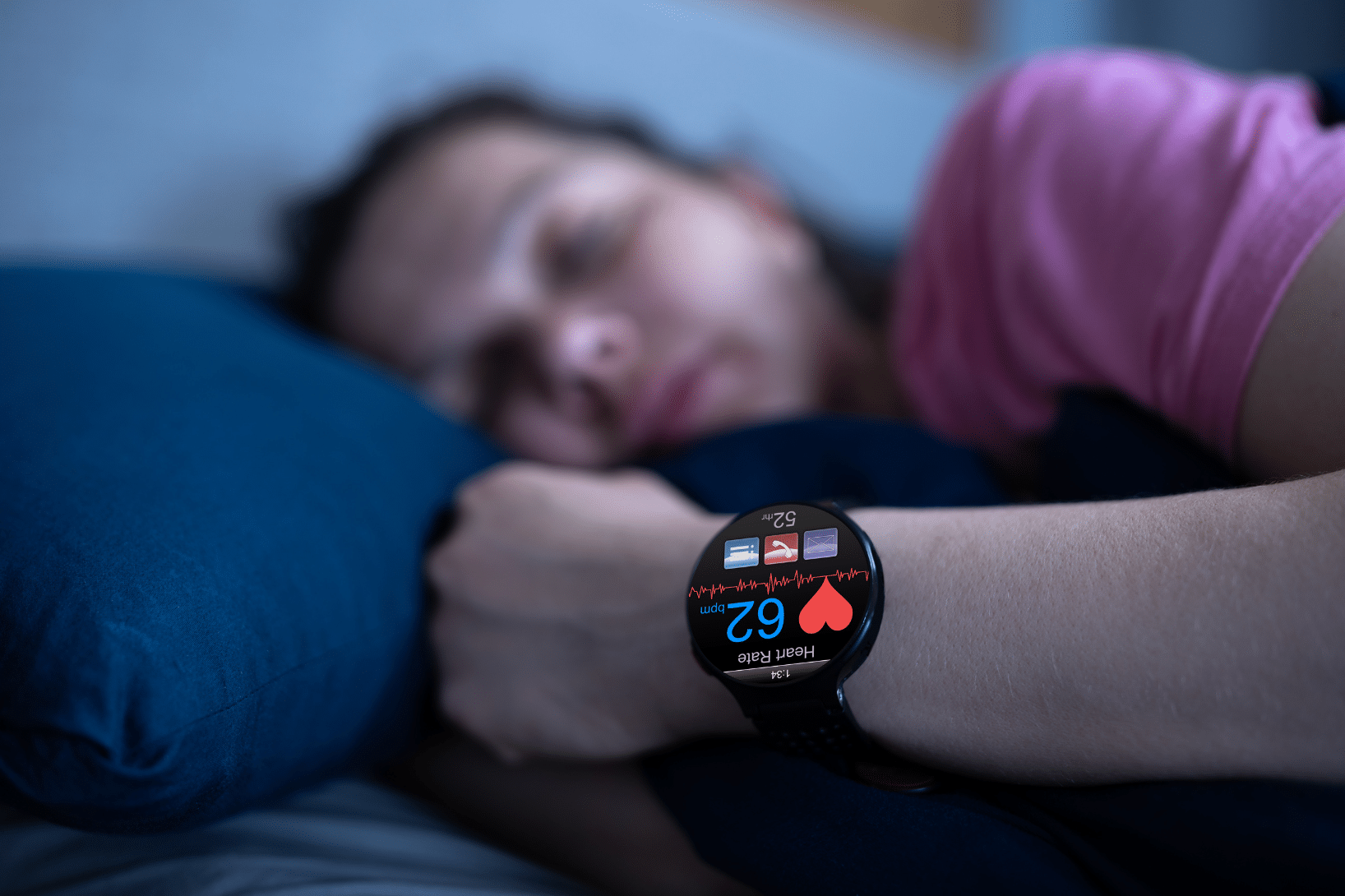
Regulatory Risks of Wearables in Clinical Trials Are Real (and Avoidable) Wearables have become indispensable in modern clinical trials, tracking vital signs, capturing real-world evidence, and improving patient engagement from anywhere. But as their use increases, so do the regulatory risks. While wearable devices open the door to faster, more patient-centric research, they also introduce…
-
The Future of Remote Patient Monitoring in Decentralized Clinical Trials
The Evolution of Remote Patient Monitoring in Clinical Trials Remote patient monitoring (RPM) has come a long way from the early days of paper-based symptom diaries and intermittent in-clinic assessments. Traditional monitoring approaches placed a heavy burden on both patients and research sites, requiring frequent visits, manual data entry, and limited insight into patient health…
-
How Wearable Devices Improve Patient Engagement in Clinical Trials
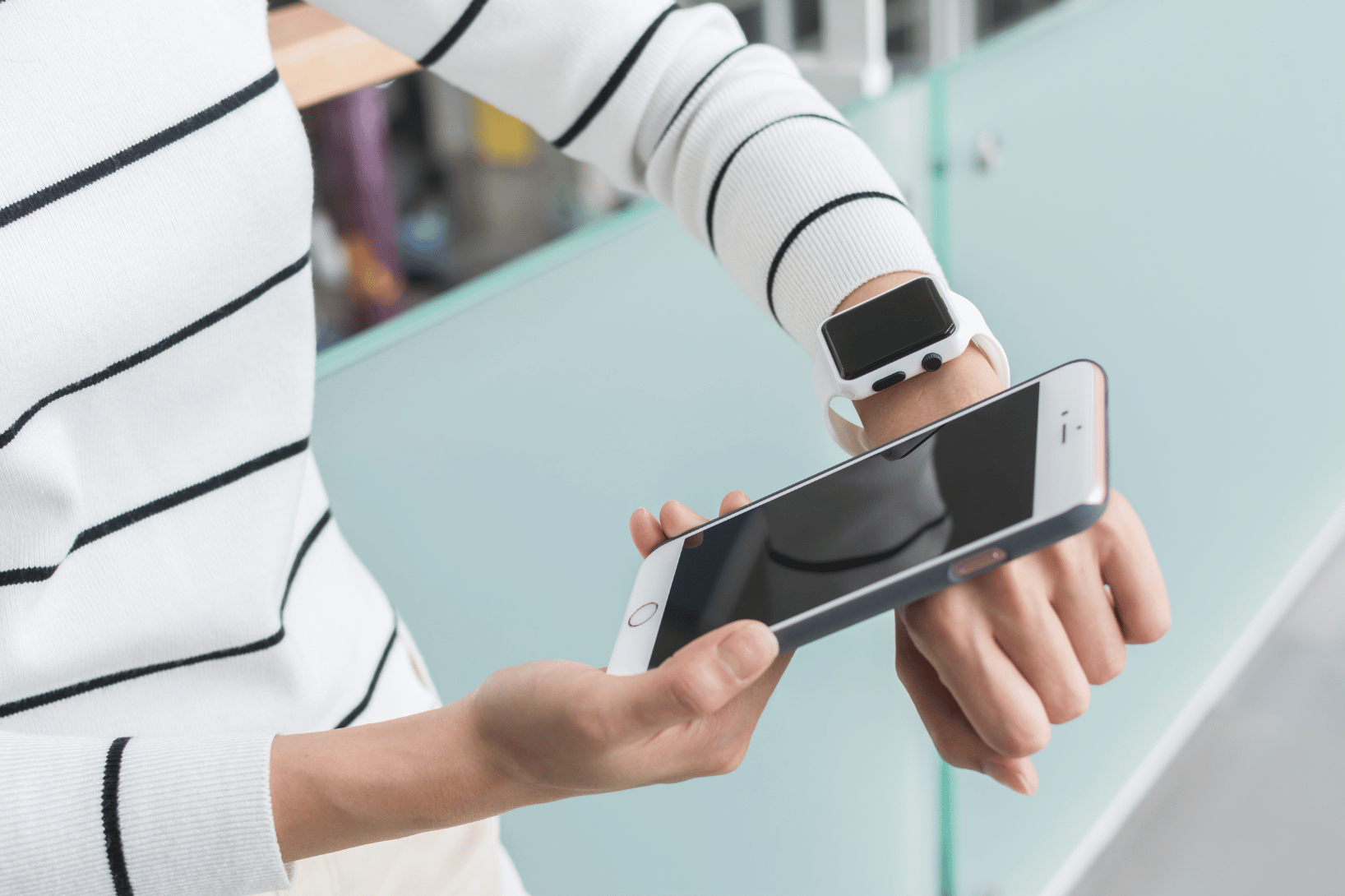
Why Wearable Tech Is Changing Clinical Trials Wearable devices are doing more than counting steps—they’re redefining how clinical trials are conducted and how participants engage. In the era of decentralized and hybrid clinical trials, wearables like fitness trackers, smartwatches, and medical-grade sensors are becoming essential tools for improving patient engagement and retention. These devices allow…
-
BYOD Clinical Trials: How They Transform Decentralized Data Capture
What Is BYOD in Clinical Trials? Bring Your Own Device (BYOD) is changing the way clinical trials collect and manage data. Instead of requiring participants to use study-provided devices, BYOD allows them to use their own smartphones, tablets, or computers to enter data—making the process more convenient and intuitive. Traditionally, clinical trials relied on provisioning…
-
The Future of Wearable Technology in Clinical Trials
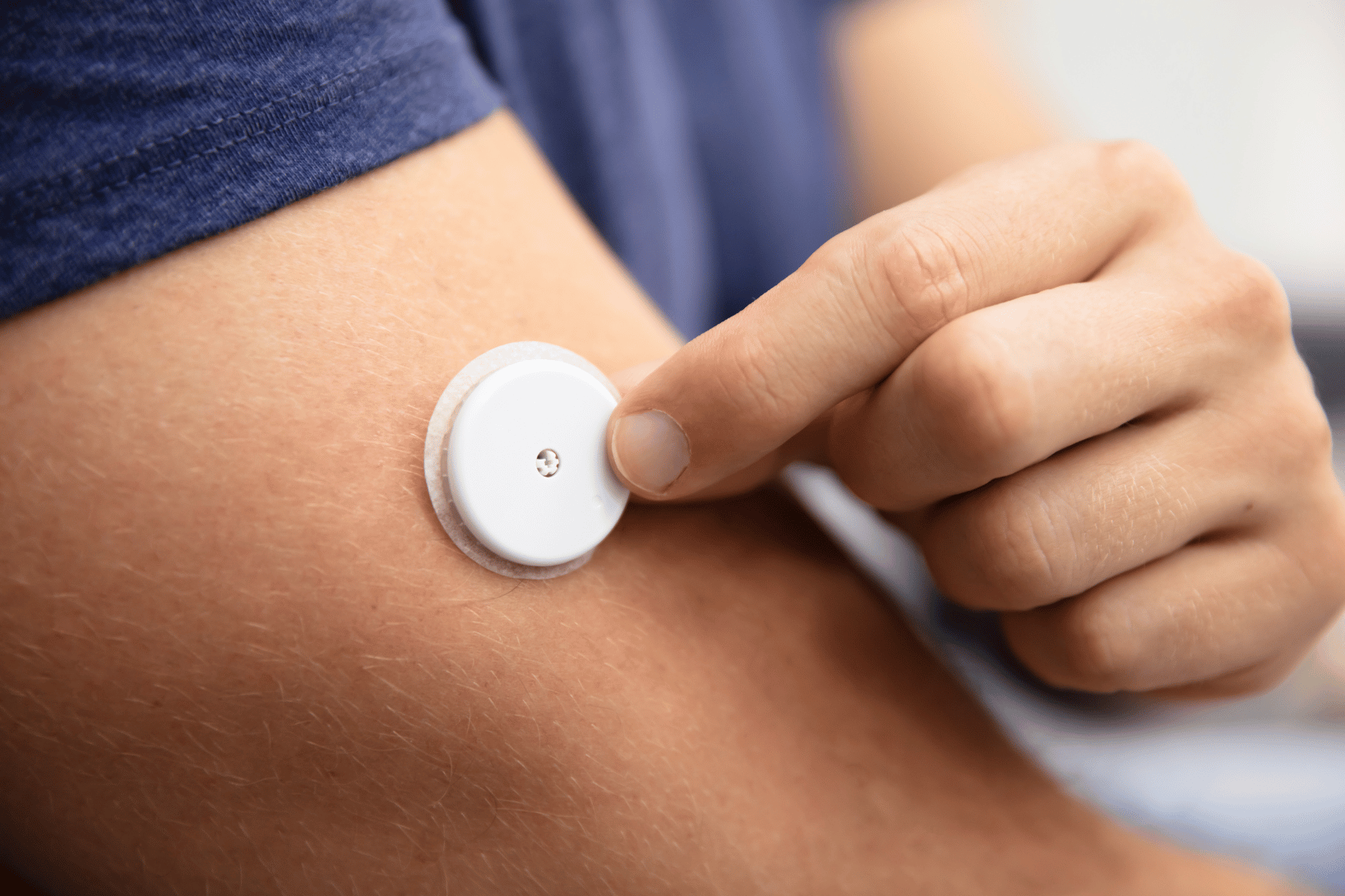
What Are Wearables and How Are They Used in Clinical Trials? Wearable technology is transforming clinical trials by making it easier than ever to collect real-time health data from participants. These devices—ranging from fitness trackers and smartwatches to advanced biosensors—give researchers continuous, objective insights into a patient’s health without requiring frequent site visits or self-reported…
-
Wearables in Clinical Trials: Real Benefits Beyond the Hype
In clinical research, innovations in technology are moving us down an exciting path, transforming traditional methodologies and paving the way for more efficient, accurate, and patient-focused trials. Software platforms are helping us manage clinical study data more efficiently while decentralized clinical trial (DCT) elements are expanding access to clinical research as a care option for…
-
Build Better Studies Faster: 3 Advantages of Mobile eClinical Platforms
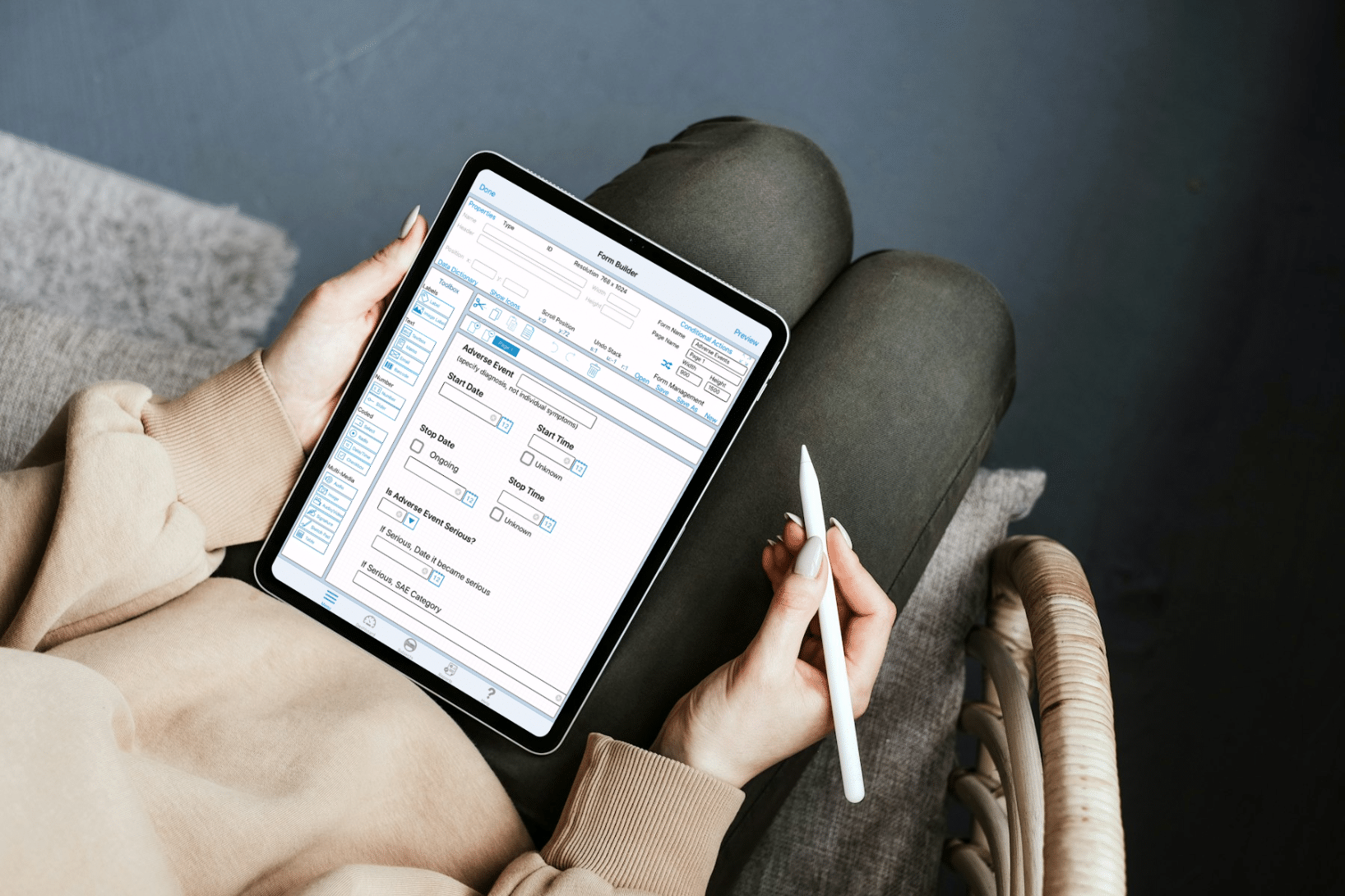
The landscape of clinical research is undergoing a rapid digital transformation. Data can be collected in ways not imagined just ten years ago, and technology is now expanding patient access to research, breaking down geographic barriers, moving beyond wholly site-based studies to decentralized clinical trials (DCTs), and reshaping what modern trials look like. Clinical trial…